Overusing baby carriers ? You might not realize how much psychological pressure your baby is under!

I remember when I first started carrying my baby, I always thought he was comfortable just because he was quiet. But later I realized that carrying him for long periods of time can be very stressful for him. One day, I was carrying him while doing housework. He looked at me quietly, but as soon as I let him go, he burst into tears. I realized that wearing a baby in a sling for too long can be physically restrictive and psychologically stressful for babies. Many new parents tend to overlook this, assuming that just being quiet is enough, without realizing the subtle psychological and emotional impacts.
How does a baby carrier affect the baby’s psychology?
The baby carrier frees parents’ hands and provides a sense of intimacy for babies. Close to their parents, babies can feel their heartbeat, breathing, and warmth. This sense of security helps build attachment, making it easier for babies to regulate their emotions and explore their environment.
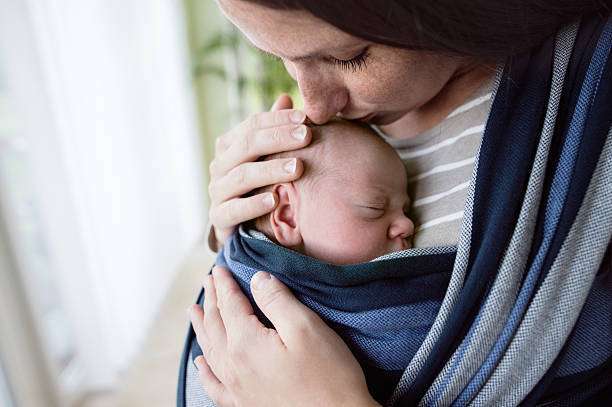
However, slings can also increase psychological stress. If carried for more than two hours straight, babies may experience stiffness, frowning, or even crying. Newborns facing outward experience too much information and can easily become nervous. Overly tight or unstable slings can also restrict a baby’s movements and increase their psychological burden. I’ve found it crucial to observe a baby’s movements: twisting, grasping at clothing, and frowning are all signs that the sling needs to be adjusted in time.
Signs of overuse or misuse
Babies may express discomfort through behavior: frowning, squirming, and crying indicate an uncomfortable position or excessive stimulation; difficulty falling asleep or light sleep indicates information overload; and stiffness in the hands and feet indicates psychological stress caused by restricted movement. I’ve noticed that when carried for more than 30 minutes, babies will grab at the corners of clothes and squirm—clear signs of discomfort.
How to use suspenders scientifically
Gradually extend the length of time you wear the sling, starting with 10 to 15 minutes for a newborn and gradually increasing to no more than an hour at a time. Newborns and babies 3 to 6 months old should face the parent. Children over 6 months old can face the child for short periods of time to explore the world. Observe your baby’s cues and adjust if they cry, frown, or squirm. Talking softly, patting their back, or singing can enhance their sense of security. Overly tight shoulder straps that restrict movement or overly loose straps that provide insufficient support can increase stress. Try to use the sling when your baby is awake and in good spirits. It’s not recommended to use the sling immediately after a meal.
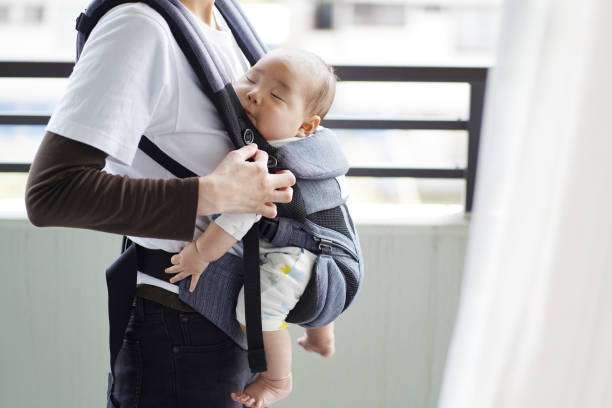
Suggested scenarios for using baby carrier
When doing housework or going on short trips, carry your baby on your back for 15-30 minutes to help them feel safe and observe their surroundings. During longer outings, take breaks and let your baby get down and move around for a few minutes to relax both physically and mentally. Avoid using the baby for extended periods at night or before bed. In public, pay attention to your baby’s reactions; if they become nervous or restless, adjust the baby’s posture or take them out of the baby’s arms immediately.
Tips and experience sharing
Choose soft clothing to reduce friction and increase comfort. Before each use, check that the baby carrier is securely fastened and the shoulder straps are appropriately tight. Record your baby’s reaction times and emotions in the carrier to find a rhythm that works for them. A carrier is more than just a means of transportation; it’s an opportunity for parent-child interaction. Play games, pat, or tell stories with your baby to make them feel cared for and safe.
summary
A baby carrier is a convenient tool, but it provides more than just physical support; it also provides a sense of psychological security. Used correctly, it can make babies feel close and secure. However, excessive or inappropriate use can increase psychological stress. We need to pay attention to babies’ behavior and psychological signals, making the carrier a “mental embrace” rather than just a means of transportation .