
encounter a common problem when using a baby carrier – their baby refuses to sit in it. This “refusal” not only causes headaches for parents but also affects the quality of daily outings and parent-child interactions. Baby carriers are designed to provide convenience for parents and allow babies to experience close contact, but if a baby resists the carrier, it often puts parents in a difficult position. How to get babies to love the carrier has become a challenge for many parents.
In fact, a baby’s refusal to use a baby carrier is not an insurmountable problem. With some subtle techniques and methods, parents can completely help their babies overcome their fear of carriers and even allow them to enjoy the intimacy and security that carriers provide. This article will share 5 practical tips to help parents easily deal with their baby’s refusal to use a baby carrier and make their baby love it.
Part 1: Understanding Your Baby’s Needs and Choosing the Right Baby Carrier
Reasons why babies refuse baby carriers
Before helping your baby overcome baby carrier refusal, it’s essential to understand why your baby is reluctant to sit in the carrier. Every baby’s needs and personality are different, and carrier refusal can stem from a variety of reasons. Here are some common reasons:
Uncomfortable carrier design : If the baby carrier is not designed to fit the baby’s body shape or has any uncomfortable parts, the baby may feel uncomfortable and refuse to get into the carrier.
Fear of unfamiliar restraint : Some babies don’t like being restrained, especially when the baby carrier is used for the first time. The baby may feel uncomfortable and feel that their freedom is restricted.
Lack of security : For some more sensitive babies, if the baby carrier does not provide enough comfort and security, the baby will feel uneasy and anxious, leading to refusal to use the baby carrier.
Not yet used to the baby carrier : Some babies need time to get used to using a baby carrier , especially when they first start using one. Babies are unfamiliar with the new environment and new tool, so they may show resistance.
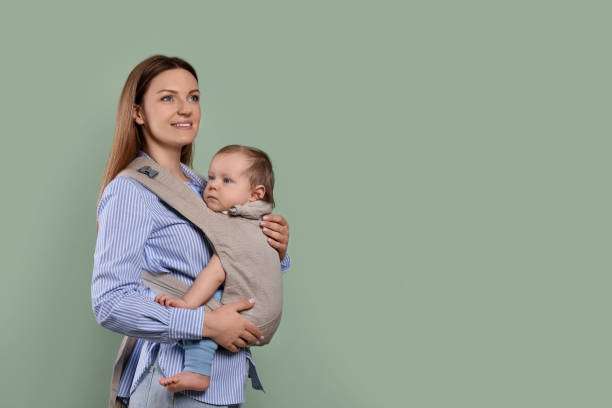
1.2 How to choose a suitable baby carrier
Choosing the right baby carrier is crucial to making your baby enjoy using it more. There are many types of baby carriers on the market, each with different designs, materials, and functions. Parents need to choose the appropriate product based on their baby’s needs. Here are some key points to consider when choosing a baby carrier:
Designed to fit the baby’s body shape : A baby carrier should adapt well to the baby’s body shape and provide comfortable support. For example, a carrier suitable for newborns should have soft padding, while a carrier suitable for older babies needs stronger support.
Soft and comfortable materials : The choice of materials is crucial to a baby’s comfort. Soft, breathable, and non-irritating materials ensure a comfortable experience for the baby when using the baby carrier.
Safety and adjustability : The safety of a baby carrier is very important. Parents should ensure that the carrier meets international safety standards when choosing one. The adjustability of the shoulder straps and waist belt is also a key factor.
Part Two: Gradually Adapting Your Baby to the Baby Carrier
2.1 Start with a short period of time and gradually adapt.
In daily life, some babies may refuse to use baby carriers due to unfamiliarity with them. After all, a baby carrier is a completely new item for babies, and they are not yet used to the feeling of being restrained and supported by a carrier. Therefore, it is very important to help babies gradually adapt to baby carriers. Parents can take a gradual approach, starting with short periods of adjustment.
For example, start by letting your baby stay in the baby carrier for a few minutes at first, allowing them to gradually feel the material and shape of the carrier and the feeling of being wrapped in it. As time goes on, gradually increase the time your baby uses the carrier, allowing them to become familiar with its use. Here are some methods:
Short-term use : Initially, parents can place the baby in the carrier for only a few minutes and observe the baby’s reaction. Gradually increase the usage time over time.
Increase physical contact : In the early stages of a baby’s adaptation to a baby carrier, parents can make more eye contact with the baby, speak softly, and even walk around with the baby in their arms, so that the baby can feel the parents’ companionship and sense of security.
Try it in stages : Some babies may be afraid of certain parts of the baby carrier (such as the shoulder straps or waist belt). Parents can help their babies get used to different parts of the carrier in stages. For example, first let the baby get used to the shoulder straps, and then gradually let the baby get used to the lumbar support.
2.2 Create a pleasant experience
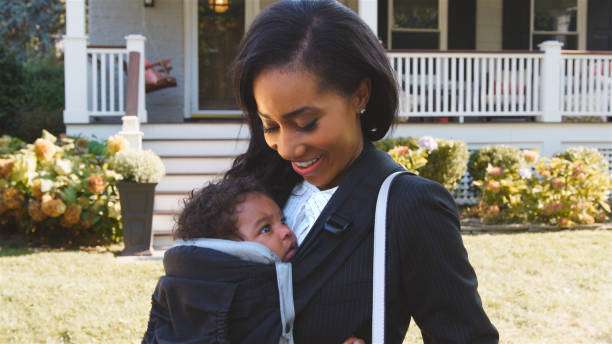
Associating the baby carrier with pleasant experiences is an effective way to help your baby accept it. Parents can use the following strategies:
Engage in outdoor activities : Babies are curious about the outdoor environment, so parents can take them to parks or other places they like, allowing them to enjoy the scenery and fresh air while in the baby carrier, increasing the enjoyment of using the carrier.
Consider your baby’s mood : If your baby resists the baby carrier, parents should patiently soothe them by playing with them, making them laugh, etc., to help them relax and avoid forcing them to use the baby carrier .
Interacting with your baby : Parents can use interactive methods such as parent-child games and singing to let their babies feel close interaction and love in the carrier , thereby reducing the baby’s fear.
Part Three: Gradually Increase the Frequency of Use of the Shoulder Straps
3.1 Continue daily use to help your baby adapt.
The frequency of baby carrier use is crucial for a baby’s adaptation process. Consistently allowing your baby to use the carrier for short periods each day can help them gradually adapt to this new tool and reduce their resistance. Parents can integrate baby carrier use into daily life, making it a routine activity.
Use at set times each day : Parents can set a time each day, such as in the morning or afternoon, for their baby to use the baby carrier for a short period of time, so that the baby can gradually become familiar with this habit.
Involve your baby in activities : Integrate the use of the baby carrier into your baby’s daily activities, such as walks, shopping, and doing housework, so that your baby can experience the convenience and comfort of the carrier in a relaxed atmosphere.
3.2 Gradually increase usage time
As your baby gets used to the carrier , you can gradually increase the time you use it, allowing your baby to become more accustomed to the comfort it provides. While gradually increasing the usage time, parents should constantly monitor their baby’s reactions to ensure that the baby does not experience discomfort from prolonged carrying.

Part Four: Emotional Connection with Your Baby
4.1 Increase physical contact and intimacy
One of the biggest advantages of carriers is that they allow babies to experience close physical contact with their parents. During the process of a baby adapting to the carrier , parents should help the baby build a sense of security with the carrier through more physical contact and emotional interaction .
Eye contact : Maintaining eye contact with your baby allows them to feel your attention and love, reducing their anxiety.
Sound soothing : Parents can speak softly to their baby, sing, or talk to them, which can make the baby feel comfortable and relaxed.
Gentle touch : When the baby is in the carrier, parents can gently stroke the baby’s back or head to increase the baby’s comfort.
4.2 Encourage positive feedback from your baby
When your baby shows positive emotions towards using the carrier , parents should encourage and praise them, letting them know that the experience of using the carrier is enjoyable. Through positive feedback, your baby will gradually develop a positive association with the carrier.
Part 5: Ensuring the comfort and safety of the carrier
5.1 Carefully check the comfort and safety of the shoulder straps.
Whether a baby truly enjoys using a baby carrier is closely related to the comfort and safety of the carrier itself. Parents must be extremely careful when choosing a carrier, ensuring that its design provides the baby with an exceptionally comfortable experience from all angles, and that the carrier fully meets relevant safety standards.
Comfortable shoulder straps and waist belt : When choosing a baby carrier, prioritize those with well-padded shoulder straps and waist belt. Insufficient padding in these areas can cause friction and discomfort for the baby, leaving marks. Adequate padding in the shoulder straps and waist belt minimizes friction between the baby’s body and the carrier, ensuring greater comfort.
Suitable for your baby’s body shape : It’s crucial to ensure that the carrier you choose fits your baby’s body shape well. Babies’ bodies are quite flexible and they are constantly growing and developing, so their body shape will vary at different stages. Therefore, the carrier must not only fit your baby’s current body shape but also provide ample support when they are active. This way, whether your baby is resting quietly or playing actively, they will receive good support and protection, avoiding unnecessary harm caused by an unsuitable baby carrier.
Convenient Adjustment Function : It’s crucial that the baby carrier is adjustable. Babies grow rapidly and their body shape constantly changes. An adjustable carrier can be flexibly adjusted to accommodate these changes, ensuring the baby is always in a comfortable position and doesn’t feel uncomfortable due to the carrier being too tight or too loose.
Conclusion
Getting your baby to love a baby carrier isn’t something that happens overnight; it requires patience, care, and a scientific approach from parents. By fully understanding your baby’s needs, choosing the right carrier, and following a gradual approach to help your baby adapt, while also focusing on building a strong emotional bond with your baby during use and constantly paying attention to the comfort and safety of the carrier, every parent can successfully guide their baby to accept and enjoy baby carriers.
When babies feel comfortable, safe, and warm in their baby carrier, and feel the love and companionship from their parents, the baby carrier is no longer a constraint, but a warm bond for close interaction between parents and children, allowing them to explore the world together and adding more beautiful and reassuring memories to the baby’s growth.