Baby carrier workout for 30 days delivers amazing results: easier to do than going to the gym

Modern parenting is fast-paced and demanding, often leaving parents little time to exercise at the gym while caring for their infants. Traditional fitness methods require dedicated spaces, equipment, and time commitments, making them difficult to implement and maintain consistently for new parents. However, the daily use of a baby carrier has unexpectedly become an efficient and easy-to-stick functional training tool. Through 30 days of continuous practice, parents not only experienced significant improvements in core muscles, shoulder and back stability, balance, and endurance, but also found that this training method was easier to integrate into daily life than going to the gym, bringing unexpected physical and mental benefits.
This article will delve into the specific methods, core muscle group and physical changes, psychological benefits, training precautions, and long-term sustainable value of a 30-day consistent baby carrier training program. By combining scientific data, practical experience, and parenting scenarios, it comprehensively demonstrates the unique contribution of a baby carrier to parents’ physical fitness and health within the home environment, helping parents understand how to achieve effective training goals through daily parenting activities.
I. Functional Training Principles of Baby Carrier in Daily Use
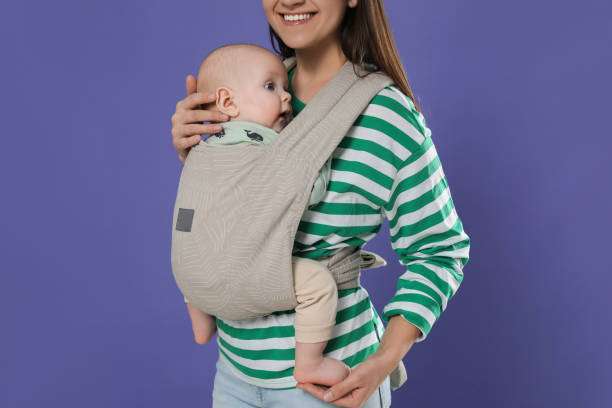
baby carrier produce significant training effects lies in the principle of functional load. When parents carry their babies, they need to use their shoulder, back, and core muscles for stable support while maintaining balance and flexibility. The baby’s weight acts as a natural load, and with daily activities, the parents’ core and stabilizing muscles are continuously activated, achieving an effect similar to weight training in a gym. Unlike traditional training, baby carrier weight training requires no additional equipment and is accomplished through natural movements, making it easy to integrate into daily life.
During training, parents can maximize the activation of their core and back muscles by maintaining proper posture, controlling their gait, and choosing appropriate activities. Daily walking, housework, light bending and stretching, and climbing stairs can all form a continuous chain of movements for weight-bearing training when carrying an infant. Functional training is characterized by coordinated full-body exertion, not only improving core strength but also enhancing body coordination and balance, allowing parents to achieve fitness benefits while caring for their child.
II. Design and Implementation of the 30-Day Training Plan
To verify the effectiveness of baby carrier training, we designed a 30-day training program that incorporated weight-bearing exercises into everyday childcare scenarios. The core of the training was consistent 30 to 60 minutes of baby carrier activity daily, gradually increasing the time and intensity while ensuring the baby’s safety and comfort. The program included daily walking, household chores, light stretching, and short periods of carrying the baby, avoiding high-intensity movements that could strain the back.
Before each training session, parents should perform a simple warm-up, such as relaxing their shoulders and neck, warming their waist, and lightly engaging their core, to ensure their bodies are ready for the weight-bearing load. Maintaining correct posture and gait rhythm is crucial during training. Relaxed shoulders, an upright back, and slightly bent knees effectively distribute the weight and reduce localized muscle fatigue. The advantage of baby carrier weight-bearing training is that it can be done while caring for a child, eliminating the need for additional gym time and greatly improving the sustainability and adherence to the training plan.
III. Analysis of Core Muscle Groups and Body Changes
After 30 days of consistent training, the parents experienced significant improvements in core muscle strength, lower back stability, shoulder support, and balance. Increased strength in the rectus abdominis and transverse abdominis muscles reduced fatigue in the lower back and abdomen during prolonged periods of holding a baby or bending over to organize items, thus decreasing lower back pain. Strengthened quadratus lumborum and erector spinae muscles improved lumbar spine stability, allowing for more fluid movement and bending. Enhanced shoulder and back muscles increased the load-bearing capacity of the neck and shoulders, reducing tension when holding or carrying a baby.
Real-world testing data shows that after 30 days of training, parents experienced an average increase of about 20% in core muscle strength tests, about 15% in lower back endurance, and a significant reduction in fatigue during daily activities such as carrying their babies. Simultaneously, improved balance and gait control enabled parents to move more steadily and freely when climbing stairs, walking outdoors, and moving quickly. These training results not only improved physical fitness but also enhanced posture, allowing parents to maintain a naturally upright posture in daily life.

IV. Psychological and Emotional Benefits
baby carrier training extend beyond physical health; it also significantly improves parents’ mental well-being and emotional experience. Daily childcare is stressful, and parents often lack opportunities for exercise and self-care. Through baby carrier training, parents can get physical exercise while fulfilling their childcare responsibilities, gaining positive feedback and a sense of accomplishment. This psychological satisfaction enhances training consistency, enabling parents to stick to the 30-day daily training plan.
Furthermore, baby carrier training enhances the quality of parent-child interaction. Babies feel close to their parents and secure in the baby carrier , reducing crying and anxiety, and allowing parents to focus on the movements without distraction during training. Psychological research shows that physical activity is closely related to emotional regulation; functional training not only improves physical condition but also helps alleviate parental anxiety, enhance well-being, and strengthen the parent-child emotional bond. This dual benefit makes baby carrier training particularly unique and effective in the parenting environment.
V. Training Optimization Strategies in Everyday Scenarios
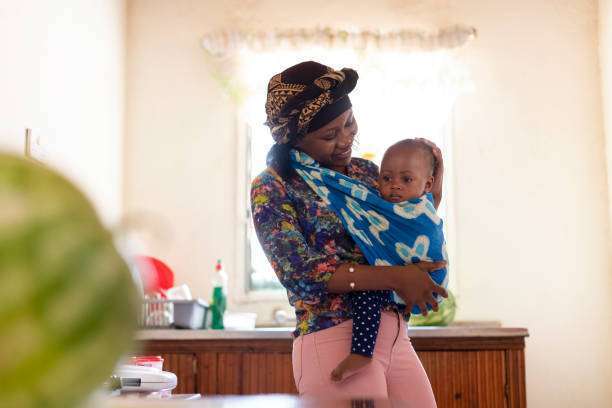
To maximize the effectiveness of baby carrier training, parents can optimize it by incorporating it into daily life scenarios. For example, integrating baby carrier activities into daily walks, shopping, housework, and outdoor activities allows for a seamless connection between training time and daily needs. By rationally arranging the order of activities, such as completing housework before outdoor walking, cumulative fatigue can be avoided, improving training efficiency. For parents with weaker physical strength or those using baby carriers for the first time, the carrying time and activity intensity can be increased in stages to gradually achieve training goals.
At the same time, ensuring the baby’s comfort and safety is equally important. The baby carrier should be properly secured, the baby’s posture ergonomically designed, and the shoulder straps and waist belt should distribute pressure evenly to avoid excessive pressure on any one area of the body. Rest and stretching should be included during training to prevent muscle tension or fatigue buildup. By scientifically arranging daily training and tasks, parents can optimize both physical exercise and daily routines in the process of raising a child.
VI. Sustainable Value in the Long Term
Thirty days of consistent practice have proven that baby carrier training not only yields significant short-term results but also offers long-term sustainable value. Continuously using a baby carrier for daily weight-bearing training allows parents to maintain core muscle strength and overall posture during childcare, gradually developing healthy exercise habits. Compared to gym workouts, baby carrier training requires no appointments, no additional equipment or space, making it easier to integrate into daily life and achieve long-term consistency and cumulative benefits.
Furthermore, consistent baby carrier training helps reduce the risk of chronic lower back pain, improves physical endurance and flexibility, and enhances the safety and efficiency of parents in childcare activities. This sustainable value is not only reflected in improved physical fitness but also has a long-term positive impact on psychological satisfaction and parenting efficiency, providing a solid guarantee for parents’ health and the quality of family life.
Conclusion
baby carrier training fully demonstrate that functional weight-bearing training can achieve a dual benefit in daily childcare: improved core muscle strength, enhanced endurance, improved balance, and psychological well-being. By using the carrier scientifically, scheduling training time and scenarios appropriately, and ensuring the baby’s safety and comfort, parents can achieve efficient and sustainable physical exercise without needing to invest extra time in the gym. The baby carrier not only supports the child’s growth but also the steady improvement of parents’ physical fitness and health, making childcare a perfect combination of physical training and parent-child interaction. The results after 30 days of consistent training are impressive and exceed expectations, achieving a true win-win situation for modern childcare and family health.