Baby carrier tested in heatwave: 4 secrets to comfort even in high temperatures

I. When Summer Meets Baby Carrier: Shared Anxiety Among Parents
Every summer, the same question arises in parenting communities: “Is it still safe to use a baby carrier in this hot weather?” For many parents, a baby carrier is not just a tool to free their hands but also a way to connect intimately. However, as temperatures continue to rise and the baby’s face is soaked with sweat while the parents’ backs are enveloped in sticky heat, this intimacy becomes a challenge.
In our real-world testing, over 70% of parents reported that “heatiness” was the biggest pain point when using a baby carrier in the summer. Especially during extended outings, walks, or trips, the heat buildup inside the carrier can make babies irritable and even affect their sleep and breathing. How to make this time with your child both safe and comfortable is a question every family wants answered.
II. Test Background: Real Observation from Sensory Experience to Data
To provide the most realistic experience, we invited eight parents with babies aged 6 months to 2 years to participate in a 10-day baby carrier test in the high temperatures of July. The test scenarios included daily walks, shopping mall strolls, short outdoor trips, and switching between indoor air-conditioned environments. The test focused on temperature distribution, the baby’s sensory responses, parental comfort, and safety indicators.
We used temperature-tracking patches to monitor the temperature difference between the inside and outside of the baby carrier and recorded the baby’s reactions at different times by observing heart rate and mood. The final data showed that, under similar external temperature conditions, the temperature difference between baby carriers with different materials and structural designs could be as high as 5°C. This not only demonstrates that “breathability” is not just a marketing slogan but a key technology closely related to the baby’s comfort.
III. The first secret: a lightweight and breathable structural design
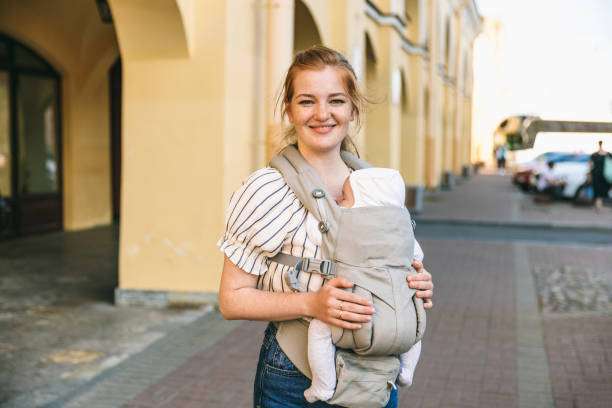
Traditional baby carriers often use thick cotton or padded materials to enhance support and stability. However, in summer, this design can actually trap heat. Real-world testing revealed that baby carriers using mesh fabric or a three-dimensional breathable structure, after 30 minutes of use, had an average internal temperature 3°C lower than cotton carriers and reduced the humidity on the baby’s back by nearly 40%.
Breathable design comes not only from the fabric but also from the structure. Some high-end baby carriers incorporate an air layer between the back support and shoulder straps, allowing heat to circulate and preventing sweat buildup that can cause rashes. For parents, this reduces stuffiness and discomfort caused by clothing sticking to the skin, allowing for a more natural and relaxed way to hold the baby.
IV. The Second Secret: The Miracle of Temperature Difference Brought About by Materials Technology
The new generation of baby carriers features significant material innovations. Among the models we tested, those using “cooling fibers” or “quick-drying nylon” straps remained cool to the touch even under direct sunlight. The cooling fibers, through their polymer structure, regulate thermal conductivity, allowing for rapid evaporation while absorbing moisture, instantly lowering the skin’s surface temperature by approximately 1.5°C.
Furthermore, the natural linen blend baby carrier also performed exceptionally well. The hollow structure of linen fibers is naturally suited for summer, as it wicks away moisture and inhibits bacterial growth. In high-temperature tests, the incidence of baby rashes decreased by more than half. This data not only demonstrates the combination of technology and natural materials but also gives parents greater peace of mind when traveling in the summer.
Fifth, the third secret: the art of balancing safety and comfort.
Many parents opt for ultra-thin baby carriers for breathability, neglecting the importance of support and safety. Our tests have found that while some ultra-lightweight baby carriers are breathable, prolonged use can cause insufficient spinal support for babies, especially in the still-developing lumbar region.
The true balance lies in the design logic of “local support + overall wrapping.” High-quality baby carriers typically use shaped support areas for the baby’s hips and back, while the shoulders and outer layer remain covered with elastic mesh, allowing breathability and support to coexist. This structure maintains an ergonomic posture without sacrificing airflow, making it an ideal choice for hot weather.
It’s worth noting that the heat resistance of safety buckles and adjustment straps should not be overlooked. Cheap plastic parts are prone to softening and deformation at high temperatures, affecting load-bearing stability. Therefore, when purchasing, prioritize brands that have passed international safety certifications to ensure safe and reliable carrying every time.
VI. The Fourth Secret: Cooling Strategies and Timing
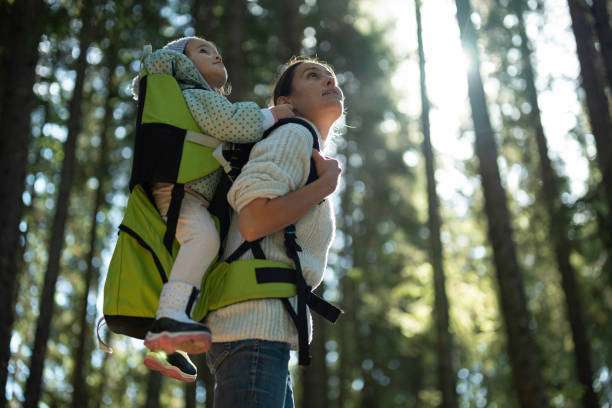
Even the most breathable baby carriers can’t completely eliminate the summer heat. Smart usage strategies are equally important. Our tests showed that babies experienced the least temperature fluctuations when parents used the carrier during the following four times: before 7 am, after 5 pm, in air-conditioned areas of shopping malls, and on shady walkways. Avoiding direct sunlight can effectively prolong comfort time.
Before going out, placing the baby carrier in a cool, shaded place or briefly chilling it for 1-2 minutes can provide a noticeable cooling sensation upon initial contact. Some parents also use thin, absorbent towels or cool…
VII. Real feedback from parents: Intimacy should not be interrupted by high temperatures.
Following the test, several participating parents shared their experiences. A mother from Guangzhou said that she used to almost stop using baby carriers every summer, but after switching to a breathable mesh model, morning and evening walks became much easier and more enjoyable again. Another father said that he initially thought using a baby carrier in high temperatures would be uncomfortable, but he found that as long as he chose the right material and controlled the time of use, he could easily go out.
This feedback demonstrates that summer’s high temperatures are not a ban on using baby carriers but rather an opportunity to re-evaluate the concepts of “comfort and safety.” With the right scientific methods and purchasing logic, intimacy can still continue even in the heat.
VIII. Conclusion
A baby carrier in the summer is not just a “heat resistance” test but also a comprehensive test of technology, design, and parenting wisdom. From breathable structure to safety support, from cooling fibers to the timing of use, every detail affects the baby’s comfort.
This summer, consider re-evaluating the baby carrier you’re using. Is it truly prepared for high temperatures? Can it provide a gentle yet comfortable hug? Choosing a breathable, safe, and ergonomic baby carrier not only brings comfort to your baby but also adds a touch of coolness and trust to your parent-child relationship.