The first one experience of using a baby carrier: The psychological impact of men carrying babies is dramatically and intensely significant

I. From Observer to Participant: The Psychological Threshold for Men Carrying Babies
In the traditional division of family roles, men are often considered the economic pillars of the family, while women bear more of the childcare and parenting responsibilities. However, as baby carrier have gradually become a standard tool in modern parenting, more and more fathers are beginning to realize that they are no longer just assistants, but true participants in childcare.
Men carrying a baby carrier for the first time experience a significant role shift, not only because of the change in physical sensations, but also because of a huge transformation in their psychological identity. The shift from observer to participant, from passive caregiver to active caregiver, represents a redistribution of power in childcare.
Many men feel nervous and even restrained when carrying a baby for the first time, fearing that improper movements will cause discomfort or injury to the baby. They will repeatedly check every buckle, align every strap, and carefully adjust the baby’s posture, even experiencing a tension akin to being under the watchful eye of an examiner. They know they have crossed a threshold of family identity, and this process is inevitably accompanied by psychological upheaval.
Furthermore, influenced by extended cultural norms, some men are highly susceptible to discomfort arising from changes in their self-image when carrying a baby in public. Accustomed to playing the role of protector within the family, suddenly becoming a caregiver carrying a child can cause some men to experience a surge in self-esteem: Will I look effeminate?
Will others perceive me as not strong enough? These cultural gender stereotypes profoundly affect the psychological experience of many men, making the first time carrying a baby not only a behavioral learning experience but also a complex and challenging psychological process.
II. The Emotional Fluctuations and Identity Impact of Carrying a Baby:
When men first feel the weight of the baby carrier against their shoulders and waist, the baby carrier sensation comes not only from the baby’s weight but also from a surge of responsibility. Many fathers describe it as “suddenly feeling like a mountain,” because the baby’s presence against their chest makes them acutely aware that “the child depends on me for safe movement.” This triggered psychological experience, which typically accumulates gradually in female caregiving, is more concentrated, exaggerated, and sudden in male baby carrying, like an explosive burst of subjective emotion.
Many men experience a rollercoaster of emotions during the first ten minutes of using a baby carrier . They might initially feel a surge of anxiety, worrying about whether the baby carrier straps are wedged around the baby’s legs, whether the baby’s head is in the correct position, and whether the baby is breathing properly.
This is quickly followed by a sudden feeling of pride, as the envious glances from passersby often evoke a sense of “exhibitionist satisfaction” in men. When passersby smile, offer approval, or express envy, they immediately feel handsome and responsible, as if they have completed a social performance art piece.
But when the baby starts to get restless, cry, or squirm, men’s mental state quickly plummets. Lacking experience with infant emotional changes, they may feel “failed” or even “useless,” as if the baby is evaluating their behavior. Many fathers experience a rollercoaster of emotions during their first time carrying a baby, feeling a surge of control one moment and utterly disillusioned the next.
While female caregivers typically go through a gradual adjustment period, men’s first experience as baby carriers is often sudden, intense, and overwhelming, making the psychological impact even more dramatic.
Third, the cumulative effect of physical and psychological sensations:
The baby carrier concentrates the baby’s weight on the shoulders, back, and waist area. This physical load itself triggers emotional responses. When men suddenly feel pressure on their backs, their brains automatically generate a sense of responsibility, urgency, and protectiveness.
This is different from the emotional tolerance that women develop when they shoulder long-term caregiving responsibilities. Men experience pressure and a sense of mission, pain and a sense of accomplishment in the face of sudden loads, creating a huge, contradictory mix of feelings.
For example, some men carrying their babies in a baby carrier suddenly realize that they must protect the baby from accidental injury at all times. The physical discomfort caused by the straps amplifies their sense of responsibility, giving them a psychological state of “must be more alert, more composed, and more planned than usual.”
They will constantly scan their surroundings, paying attention to road surface elevation differences, pedestrian movements, weather conditions, noise sources, and even airflow speed, because the weight transmitted by their bodies reminds them that the child is on their chest, an indispensable and unwavering connection to life.
This dual input, both physical and psychological, causes many men to suddenly mature. They might say, “I never thought carrying a baby on my back would make me feel like a real father.” This feeling isn’t an abstract theory, but a psychological construct built through a combination of factors, including spinal pressure, shoulder strap friction, body temperature transfer, the baby’s movements, and physiological stress responses.
Therefore, unlike the gradual development of a woman’s maternal role, carrying a baby on a man’s back often feels like an emotionally condensed experiment, generating a powerful and profound identity shift in a short period.

IV. Exposure of Male Social Identity and Psychological Defense:
When a man, acting as a baby carrier, walks down the street, in a shopping mall, or in a park, he becomes aware that he is being observed. His parenting identity is publicly displayed, like a label affixed to his chest: father, caregiver, responsible parent, participant. This exposure of his identity alters his psychological state because, in past cultural contexts, men were often expected to reduce or conceal their public expressions of caregiving behavior.
Therefore, when a man first enters a public space as a baby carrier , he experiences three core psychological reactions. First, self-defense: he may maintain a serious expression to mask his nervousness, fearing others will notice his clumsiness.
Second, self-compensation: he may use a quick pace, a straight back, and exaggerated movements to project an air of proficiency and avoid embarrassment. Third, self-reinforcement: when he receives praise or recognition from others, he quickly experiences satisfaction, thus developing pride and a sense of identity in carrying the baby.
What’s even more interesting is that men are extremely sensitive to public feedback. If someone praises the baby for being cute, they feel happy; if someone compliments the father’s good looks, they instantly feel inflated; if someone expresses surprise that men can also take care of children, they feel a sense of heroic satisfaction. These psychological feedback mechanisms mean that men tend to view carrying a baby as a social display, not only caring for the child but also demonstrating responsibility, value, ability, and warmth.
V. Redefining the Partnership:
Many men notice a significant change in their partner’s gaze when carrying a baby for the first time. When a wife sees her husband skillfully operating the baby carrier , walking steadily, and caring for the child, the admiration and dependence in his eyes often give him an unprecedented sense of intimacy and fulfillment. The man suddenly realizes that he is no longer just an assistant in childcare, but an indispensable part of the parenting system.
However, this experience can also bring psychological stress. Men may feel that their partner’s expectations have suddenly increased, and worry that they cannot consistently maintain this level of ability. When the baby cries, men will instinctively seek guidance from their partner, resulting in an identity conflict: Am I the caregiver or the implementer? Am I the father or the apprentice? This conflict is a key psychological stage for men to adapt to the parenting role, and it is accompanied by significant emotional fluctuations.
VI. Fatherhood Awakening and Masculinity Reconstruction:
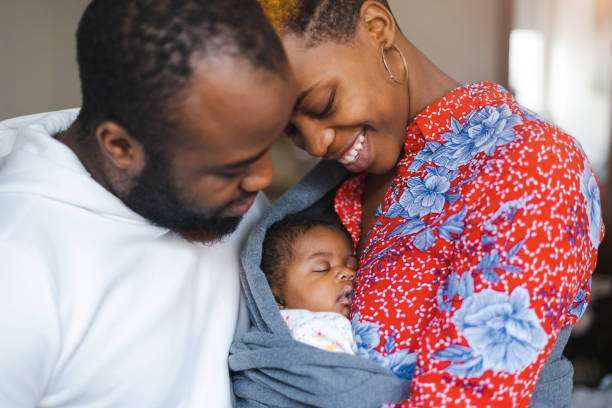
A man’s first experience carrying a baby in a baby carrier can trigger a profound identity awakening. He suddenly realizes that masculinity is not about displaying strength or controlling power, but about tenderness, closeness, companionship, and protection.
This awakening is incredibly impactful for many men because it breaks down the gender norms they’ve long been accustomed to during their upbringing. For example, many men realize while carrying a baby: carrying a baby doesn’t diminish me; it defines me. Strength isn’t about distancing oneself from children, but about the baby carrier carrying the child forward.
This redefined mindset helps men rediscover the meaning of “family responsibility.” They understand that caregiving is not about helping, but about participation; not about supporting women, but about sharing the burden of childcare. Many men have changed their lifestyles after carrying babies, becoming more willing to spend time interacting with their children, more willing to take on housework, and more willing to express their emotions. This is a profound evolution of family roles, with psychological effects that can even extend throughout a lifetime.
VII. Differences in Social Expectations and the Sources of Male Anxiety
Despite the immense sense of accomplishment from carrying a baby, significant anxiety remains among men. They worry about being judged poorly by others for their lack of skill, about being blamed by their partners for the baby’s discomfort, about potential safety hazards caused by improper baby carrier handling, and about societal stereotypes questioning their caregiving abilities.
This anxiety is particularly pronounced in the early stages of infant care, where the baby’s limbs are soft, bones are fragile, and reactions are sensitive, leading to increased stress for many men. They often experience excessive tension, over-monitoring, and excessive self-blame. This anxiety stems from deep-seated psychological factors, not a lack of ability, but rather a lack of experience.
8. The Boost to Male Confidence from Baby Carrying Experiences:
While baby carriers can trigger anxiety, they also bring a significant boost to male confidence. Many men experience a noticeable increase in inner strength after successfully carrying their baby in public. They realize they are capable of protecting their child, acting independently, fulfilling childcare responsibilities, and being a reliable father. This confidence-building process is often more effective than any form of encouragement because it’s a genuine belief built through physical practice. This confidence even influences men’s resilience when facing work pressure, family relationships, and changes in their child’s developmental stages.
IX. Psychological Basis for Strengthening Parent-Child Bonds: Intimate contact with
the baby carrier , skin temperature transfer, similar heart rate rhythms, and auditory resonance demonstrate that carrying a baby significantly strengthens the neural connection between father and baby. When a baby is nestled against the father’s chest, they experience a stable breathing rhythm, while the father receives emotional feedback from the baby’s body temperature and movements. This two-way physiological interaction promotes the release of oxytocin, known as the “bond hormone,” which enhances the quality of attachment relationships. This means that carrying a baby is not only a physical act but also a psychological bonding behavior.
X. Conclusion: One
Baby Carrier Experience, A Life-Changing Experience. While seemingly a tool, a baby carrier is actually an emotional conduit for the father-son relationship, a crucial medium for male identity development, and a powerful link in the partnership. One experience of carrying a baby can open up entirely new dimensions of role awareness for men, allowing them to experience the weight of responsibility, the speed of growth, the depth of emotions, and the power of love. This transformation is dramatic, drastic, real, and profound.
A baby carrier not only changes a day, not just a year, but potentially a lifetime. Men carrying babies is not a social trend, but a footnote to the reform of family structure, and the most direct, gentle, and resilient symbol of the awakening of modern fatherhood.