Baby carriers and hip health: How to choose a carrier that’s beneficial to your baby’s development

Carrying a baby on your back is a beautiful and enriching experience that evokes many precious emotions, but unfortunately, it also comes with its share of misconceptions. For years, there’s been a misconception that baby carriers can cause or worsen hip dysplasia, but this is completely false. Today, we’ll delve deeper into the impact of baby carriers on hip development and debunk common misconceptions .
1. The impact of slings on baby’s hip health
Many parents worry that using a baby carrier may cause hip dysplasia in their baby. This concern is unscientific. We understand that ergonomics is the science of integrating human structure with optimal movement and posture. Properly used baby carriers can provide appropriate support and space for movement, promoting healthy hip development.
The World Health Organization also clearly states that babies need to change positions every hour before they are six months old. When carrying a baby, if the carrier design is ergonomic and allows the baby’s legs to open naturally and have room to move, it can promote healthy hip development without causing stunted growth. As the International Institute for Baby Design (IHDI) points out, “All of our baby carriers provide beneficial hip health for babies.”
2. Ergonomic design and correct posture
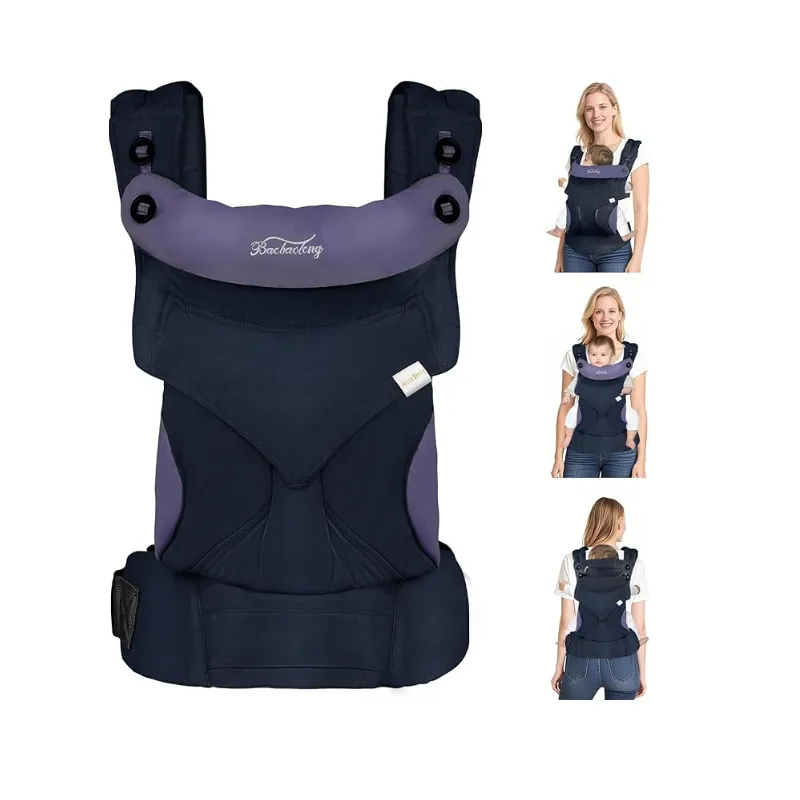
There are many options for carrier positions on the market, such as frog, M, and sling. However, no single position has been proven to be more beneficial for hip development. Whether it’s inward-facing , outward-facing (suitable for babies around five months old), or supine (suitable for babies around one year old), all positions are suitable as long as the baby’s legs are naturally open and there is enough room for movement.
It’s important to note that your baby’s position should always be adjusted based on their needs and comfort. For example, if their legs are naturally bent, this indicates a good ergonomic position. There’s no need to force your baby into a fixed position or angle. Your baby’s comfort and needs are paramount, and the right carrier design can help ensure this.
Multifactorial causes of hip dysplasia
Developmental dysplasia of the hip (DDH) is a complex, multifactorial condition that is not caused by a single factor. Dr. Pablo Castañeda , a pediatric orthopedic surgeon and director of the International Hip Dysplasia Institute (IHDI) , points out that there are many potential factors for the development of hip dysplasia, including genetics, the baby’s position in the womb (such as a breech birth), and early developmental deficiencies.
In fact, existing research has not shown that using a baby carrier can cause or worsen hip dysplasia. As long as parents choose the right carrier for their baby’s needs and use it for a reasonable period of time, it will not have a negative impact on the baby’s hip development.
4. Design and function of Babycarrier straps
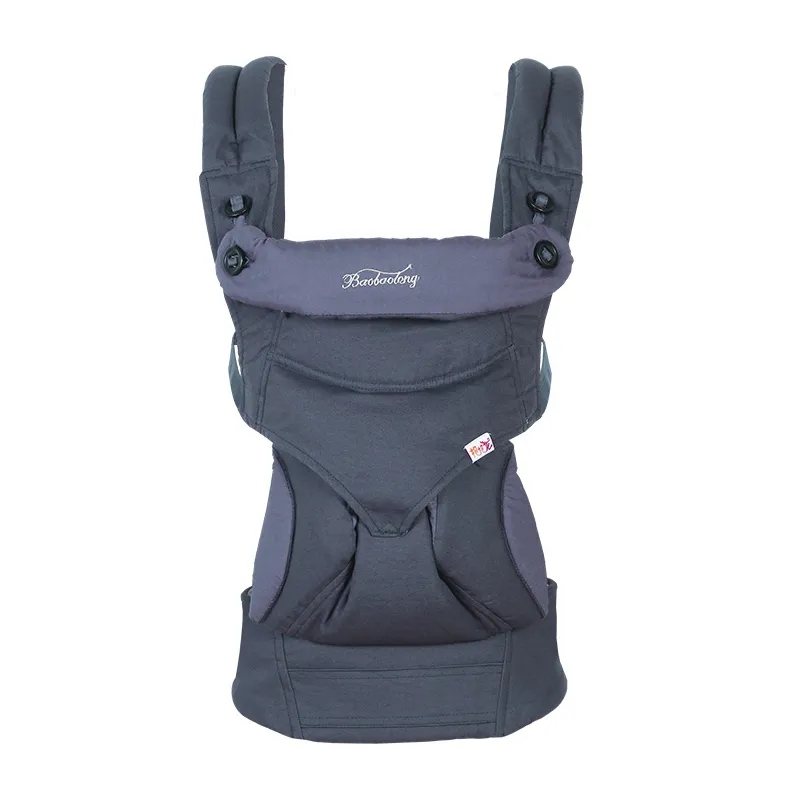
All of our Babycarrier baby carriers are carefully designed to provide the support and space your baby needs. No matter which carrier you choose, our design philosophy is always based on ergonomics , ensuring that your baby sits in the same comfortable and natural position as in your parents’ arms.
We offer different carrier sizes based on your baby’s age and growth stage, with adjustable leg widths to suit your baby’s body shape. These carriers not only provide the right amount of support but also allow your baby to stretch their legs freely, promoting healthy hip development.
5. Choose a carrier that suits your baby
How to choose a baby carrier? We recommend that parents choose carriers that are ergonomically designed and provide adequate support and room for movement.
Regardless of the style, Babycarriers effectively support a baby’s legs and adjust their leg width as the baby grows, keeping the baby in a natural and comfortable position. By choosing and using a carrier appropriately, parents can enjoy more time with their baby while also promoting their healthy development. Most importantly, parents should always be attentive to their baby’s needs, listening to their cues and adjusting the carrier’s position and duration accordingly.
VI. Summary
A baby carrier is a way for parents to connect with their baby, and proper use of a baby carrier is not harmful to a baby’s hip health. Choosing an ergonomically designed carrier will support your baby’s healthy development without the worry of hip dysplasia. Enjoy quality time with your child while also giving your baby a healthy future.
FAQ (Frequently Asked Questions)
Q1: Will using a baby carrier cause hip dysplasia in babies?
A1 : According to expert research, properly using an ergonomically designed baby carrier will not cause hip dysplasia. The key is to ensure your baby’s legs are naturally apart, with ample room for movement, and to avoid forcing their legs together.
Q2: At what age can a baby use a baby carrier?
A2 : Generally speaking, babies can use a baby carrier a few weeks after birth, but the specific time to use it should be determined by the baby’s development. Around five months old, babies can usually use an outward-facing carrier to explore the world.
Q3: What kind of carrier design is best for babies?
A3 : The best baby carrier should be ergonomically designed to provide ample support and room for movement, ensuring the baby’s legs are naturally spread apart and comfortable. When choosing a carrier, pay attention to its adjustment features and the comfort of the material.
Q4: How do I adjust the strap position?
A4 : Parents should adjust the carrier’s position based on their baby’s needs and comfort. Common positions include inward-facing, outward-facing, and supine. The correct position is when the baby’s legs are naturally spread apart and bent.
If you haven’t chosen the right baby carrier for your baby yet , take a look at our recommended carrier series now and choose a carrier that is both comfortable and durable to protect your baby’s growth!