
When choosing a baby carrier , many parents’ most immediate considerations are comfort, support, and material. But have you ever noticed that color also quietly influences the emotions of both baby and parent? From gentle beige and calming gray to vibrant orange and bright blue, color is more than just decoration; it’s a psychological language. The color psychology employed in baby carrier design is helping babies build a sense of emotional security and influencing parents’ parenting mindsets.
Color psychology and infant perception:
In the first few months of life, babies primarily perceive the world through sight and touch. Although color recognition is limited at birth, between three and six months, their visual systems gradually develop, and color begins to become a crucial clue in their understanding of the world.
Research shows that bright colors attract infants’ attention, while soft, neutral tones help them calm down and fall asleep more easily. Therefore, the color of a baby carrier isn’t just about aesthetics; it also creates a subtle emotional connection with your baby.
Warm-Colored Baby Carriers: Signaling Intimacy and Warmth.
Warm colors like red, orange, beige, and camel are often used in baby carrier designs. They convey a sense of warmth, evoking a sense of being embraced and protected. For babies, these “warm colors,” combined with their parents’ body heat and voice, create a safe, environmental cue, helping them maintain stability in unfamiliar surroundings.
Numerous psychological studies have shown that warm colors can stimulate dopamine production and enhance positive emotions. For parents who frequently carry their babies, carriers in these colors can also create a more relaxed and natural atmosphere.
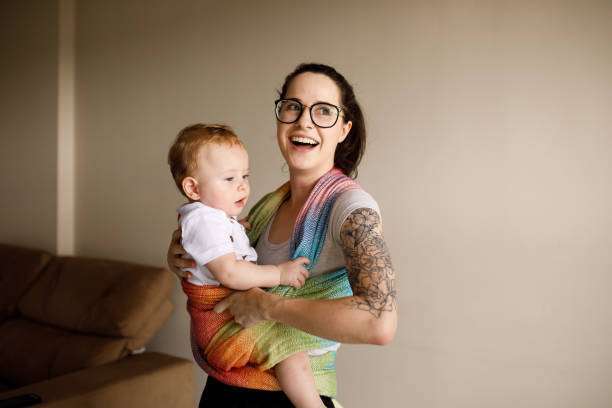
Cool-toned baby carriers: Create a calming and focused atmosphere.
Cool colors like blue, gray, and mint green have become increasingly popular in baby product design in recent years. They symbolize stability, balance, and rationality. Cool-toned baby carriers are particularly suitable for use in hot weather or crowded places, providing sensory relaxation for babies while helping parents maintain calm and focus.
Dark blue or misty gray carriers are particularly popular with male users. This not only appeals to aesthetics but also fosters a sense of stability and trust, helping fathers more naturally engage in parent-child interactions.
Neutral and natural colors: balance and inclusiveness.
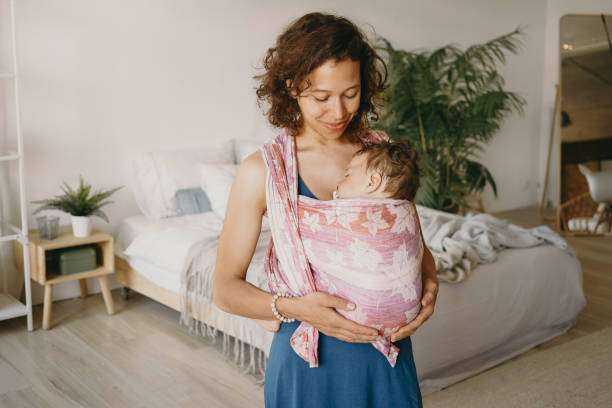
Today, more and more brands are favoring neutral and natural tones, such as sand, ivory, and olive green. These colors are low-saturation and non-stimulating, blending seamlessly with any outfit and reducing the constraints inherent in gender stereotypes.
From a psychological perspective, neutral tones convey a sense of security and neutrality, creating a soothing visual environment for babies and a relaxing, stress-free emotional experience for parents. This design philosophy reflects the changing nature of modern parenting, which prioritizes emotion and atmosphere as much as functionality.
Color also influences parents’ emotions.
It’s worth noting that color not only affects babies but also regulates parents’ parenting moods.
For example, bright yellow can make people feel happy and energetic; soft pink-beige can relieve anxiety; and low-saturation blue-gray can help focus. When parents interact with their babies in a comfortable and calm mood, these emotions are naturally passed on to their children, forming a positive psychological feedback loop—this is precisely why “color psychology” is so important in baby carrier design.
Conclusion
A baby carrier isn’t just a parenting tool; it’s an “emotional carrier.” The role of color goes far beyond its appearance. It influences a baby’s sense of security, parents’ mindsets, and the dynamic of family interaction.
Next time you’re choosing a baby carrier , take a closer look at its color. That gentle touch of gray, a soothing touch of green, or a touch of warm orange may be the most overlooked psychological comfort in everyday life. Color isn’t just about decoration; it’s a silent form of communication, making every day of parenting softer and more relaxed.