Long-term use of baby carriers : Research reveals surprising impact on baby’s physical development

Over the past few years, baby carriers have evolved from a hands-free tool for parents to a crucial symbol of intimate parenting. They allow parents to maintain physical contact with their babies, fostering a sense of security and facilitating daily care. However, as their use grows, new research is raising questions about the potential impact of long-term baby carrier use on a baby’s physical development. Recent scientific studies have provided thought-provoking answers.
1. The relationship between the close-fitting design of the suspenders and physical development
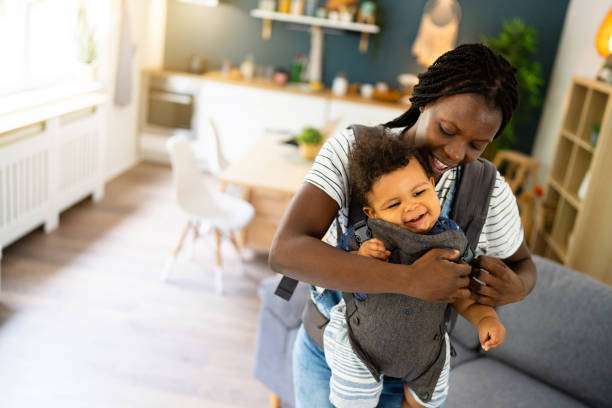
the baby carrier ‘s design is to hold the baby in a safe and ergonomic position. Ideally, the baby’s legs are in an “M” shape, with the knees slightly higher than the hips, the back naturally curved, and the head pressed against the parent’s chest. This position not only makes the baby feel wrapped and secure, but also provides support for the development of the spine and hip joints in the early stages.
However, researchers have found that when the carrier is used improperly or for too long, the baby’s developmental balance may be disturbed. For example, if the carrier allows the baby’s legs to hang vertically for a long time, or if the waist support is insufficient, it may increase the risk of hip dysplasia. This does not mean that the carrier is harmful, but it is crucial to remind parents that the correct way to wear it is crucial.
2. The “surprising” aspect revealed by the study: adaptive changes in muscles and bones
A study published in the Journal of Child Developmental Physiology noted that baby carriers do affect a baby’s skeletal pressure distribution and postural patterns. By scanning the bones of infants in different carrier positions, the research team found that properly used carriers can encourage babies to engage in mild balance exercises in response to the movement of their parents’ bodies. This “passive movement” helps develop core muscles.
Interestingly, the study also found that babies who are carried on their parents’ backs for extended periods generally outperform their peers in balance and body coordination compared to those who haven’t been in carriers for extended periods. Scientists speculate that this is because carriers allow babies to constantly experience subtle body movements, which stimulates the development of the vestibular system. The vestibular system is key to balance, spatial awareness, and motor coordination.
3. Potential Risks: Limits of Posture and Usage Time
While research has shown many positive effects, experts caution that long-term baby carrier use doesn’t guarantee all-day comfort. Newborns’ spines aren’t fully developed yet, and holding them upright for extended periods can be taxing. It’s recommended that each use session last no more than 1-2 hours, allowing the baby time to lie flat, stretch, and move freely.
Parents also need to pay attention to the carrier’s structural design. Different brands and materials offer significant variations in support and breathability. If the carrier is too tight or the shoulder straps are unevenly distributed, it can cause discomfort not only to the baby but also to the parents themselves. Experts recommend choosing an ergonomically certified model with adjustable support angles, and adjusting the method of use according to the baby’s growth stage.
4. Extended Impact on Psychological and Emotional Levels
Beyond the physical aspect, baby carriers have also been shown to have profound benefits for psychological development. A baby carrier allows the baby to constantly feel their parent’s heartbeat, breathing, and body temperature. This constant, intimate contact reduces cortisol (the stress hormone) and enhances a sense of security and attachment.
In families with long-term baby carrier use, interactions between parents and babies are more frequent and natural. Research indicates that this early, high-quality parent-child interaction helps babies develop better emotional regulation and social trust later in life. In other words, a baby carrier not only fosters a sense of security but also lays the foundation for a baby’s psychological growth.
5. Balanced use is the key
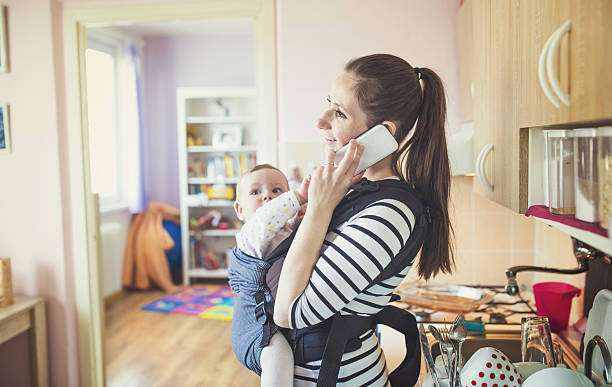
As a parenting tool, the value of a baby carrier lies not in how long it’s used but how it’s used. Correct positioning, appropriate timing, and appropriate age-appropriate use are key to balancing safety and development.
I remember when I first read the research report, I felt a sense of realization—this seemingly simple parenting technique harbors such complex physiological and psychological science. It reminds us that intimacy doesn’t mean constant connection, but rather finding the balance between cuddling and letting go.
Conclusion
baby carriers continues to deepen, confirming their developmental benefits while also revealing key considerations for their use. For parents, a scientific understanding of carriers, rather than blindly pursuing “long-term holding,” allows babies to grow naturally with safe support and freedom of movement – this is the true power of gentleness.
This “close companionship,” guided by science and centered on love, can become the gentlest and most stable support for a baby’s growth.