baby carrier 5 major gender design biases exposed: users are forced to use the product more difficult

In modern childcare tool design, baby carriers are widely touted as essential devices for freeing up hands, facilitating travel, and enhancing parent-child bonding. However, closer examination reveals a clear gender bias in carrier design, particularly in female-centric scenarios, where this bias significantly impacts the user experience.
Women often face greater physical stress, more complex adjustment methods, and the challenge of ergonomically unsuitable designs during childcare—a long-standing phenomenon that has received little discussion.
This article will systematically reveal five major gender design biases in baby carriers , providing a comprehensive analysis from structural design, weight distribution, adjustment methods, user experience, to psychological impact. Through real-world usage cases, scientific analysis, and gender research theories, we will present the difficulties women face when using baby carriers and the design logic behind them, and propose improvement suggestions to promote more equitable, scientific, and humane parenting tools.
1. Shoulder strap design is biased towards male body type: concentrated pressure and discomfort.
Many baby carrier fail to adequately consider the differences in shoulder width, scapular shape, and breast position among women in their shoulder strap design. The width and angle of the straps are often based on male standards, causing concentrated pressure on the shoulders and uneven stress on the scapula when women wear the carrier, even affecting breathing and arm range of motion. Prolonged use of baby carriers often results in neck and shoulder pain and muscle tension, directly reducing comfort and safety during use.
Scientific research shows that shoulder strap design should take into account shoulder width, breast height, and scapular angle to distribute weight and reduce muscle strain. Female users generally report that existing baby carriers fail to meet individual differences, resulting in significantly more shoulder fatigue than men. This bias not only affects physical comfort but also increases psychological stress.
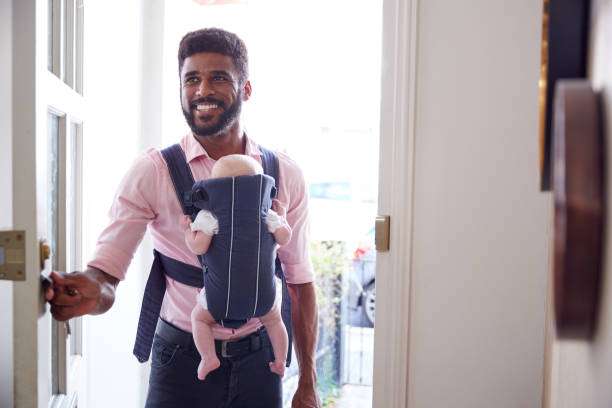
II. Weight distribution that ignores differences in women’s core strength: Increased pressure on the lower back and abdomen
Baby carriers are often designed with weight distribution based on male core strength and stability, which can lead to excessive strain on the abdominal and back muscles when used by women. Since women typically have slightly lower core muscle strength and back endurance than men, the carrier design cannot adequately distribute the baby’s weight, causing excessive pressure on the lower back. Prolonged use can result in lower back pain, lower back tension, and even poor spinal posture. This design flaw forces women to constantly adjust their posture to alleviate discomfort while holding the baby, increasing physical exertion and fatigue.
Solving this problem requires taking gender differences into account during the design phase. By widening the waistband, shifting the weight downward, and optimizing the load-balanced structure, women can achieve similar comfort and core load distribution as men when using baby carriers .
Third, the adjustment method is becoming more complex: it is more difficult for women to operate with one hand.
Many baby carrier adjustments require both hands, but women often only have one hand available to adjust the carrier when holding or caring for an infant. This design bias makes it difficult for women in practice; for example, adjusting the shoulder strap length, waist belt tightness, and back support position can lead to inconvenience, longer wearing times, and a decreased user experience.
Male users can usually adjust quickly due to their physical advantage, while women are forced to expend more energy in real-world scenarios, and this implicit bias exacerbates the burden of childcare.
The improvements include the introduction of quick-adjusting buckles that can be operated with one hand, elastic materials, and an automatic locking design, allowing women to easily adjust the baby carrier while holding the baby, reducing unnecessary operational burden.

IV. User experience is neglected: Differences in women’s body shapes are not taken into account.
In terms of physiological characteristics, women differ significantly from men in specific aspects such as body shape, breast size, and body curves. Women’s bodies are more graceful, breast size varies from person to person, and their body curves possess a unique charm, contrasting sharply with the more masculine physical characteristics. However, in the field of baby carrier design, many baby carrier designs still use male physical characteristics as a standard template. This design approach completely ignores the unique experience and actual needs of women when using baby carriers.
The consequences of this flawed design are quite obvious. The straps constantly rub against a woman’s breasts, causing unnecessary discomfort and distress. The waist belt tightly compresses the abdomen, making it feel constricted and difficult to breathe. Furthermore, the backrest of baby carriers is often poorly designed, preventing the woman’s back from fully extending when carrying items. All these factors combined result in significant discomfort when using baby carriers, and in severe cases, even pain.
The impact of this baby carrier design flaw is multifaceted. It not only affects the comfort of women holding their babies, preventing them from fully engaging in childcare and causing constant physical discomfort, but it may also lead to less frequent use of the carrier, as no one wants to endure such discomfort. This reduced use of the baby carrier further impacts parenting efficiency and diminishes the intimate interaction between parent and child. In the process of raising children, close interaction is crucial for their growth and emotional development, and the poor design of the baby carrier hinders this healthy interaction.
To truly improve the experience of women using baby carriers, a series of improvements are needed in their design. First, the straps should be adjustable and made of flexible materials. Adjustable straps allow women to flexibly adjust the length, width, and other parameters according to their body characteristics and needs, while flexible materials better conform to the curves of the body, reducing pressure and friction.
Second, more space should be provided for the chest area to prevent friction and compression of the breasts, ensuring comfort. Third, the angle between the waistband and back should be optimized for a more natural transition and reduced pressure. Simultaneously, the design must fully consider the needs of women with different body types, avoiding a one-size-fits-all approach. Because women’s body characteristics vary greatly, only through diverse and human-centered designs can more women find a suitable baby carrier, thereby improving the user experience and satisfaction.

V. The Combined Psychological Stress and Social Expectations: The Hidden Costs of Gender Bias
Beyond the obvious physical discomfort, biases in baby carrier design can also create psychological stress for users. In today’s society, women often bear more societal expectations than men throughout the childcare process. For example, society generally expects women to provide meticulous care for the baby throughout the entire process, attending to every aspect from the baby’s daily diet and care to their physical and mental health; while also maintaining normal family order and ensuring a smooth family life; and to shoulder the vast majority of childcare responsibilities alone, as if childcare is solely a woman’s responsibility.
When baby carriers are poorly designed, adding extra physical strain to women, their psychological stress is amplified. In such situations, women are prone to fatigue, not just physical exhaustion, but more importantly, mental burnout. This is often accompanied by anxiety, worrying that their discomfort will prevent them from properly caring for their baby and meeting societal expectations. They may even experience guilt, feeling they haven’t fulfilled their responsibilities as a mother.
Female users face immense physical and psychological pressure in carrying babies. This invisible, hidden cost, if accumulated over time, can severely impact women’s mental health, potentially leading to various psychological problems such as depression and anxiety. Furthermore, it can significantly dampen women’s enthusiasm for childcare, causing them to develop resistance to the task.
To address the psychological burden women experience when using baby carriers, several approaches can be taken. First, provide women with guidance on the proper use of baby carriers to minimize unnecessary physical injury. Second, strengthen social support, ensuring society understands and respects women’s contributions to childcare and offers them more encouragement and assistance. Third, optimize baby carrier design, considering ergonomics and other factors to reduce the strain on the body. Simultaneously, strongly advocate for equitable division of labor, changing traditional childcare concepts and encouraging greater male involvement and responsibility. This will effectively reduce women’s psychological stress and promote a more equitable and harmonious gender-equal childcare environment.
Conclusion: Advancing Gender Equity in Baby Carrier Design
Baby carriers play a vital role in parenting, but existing designs exhibit significant gender bias, leading women to face multiple challenges during use, including concentrated shoulder pressure, excessive strain on the lower back and abdomen, difficulty in adjustment, physical discomfort, and added psychological stress. Understanding these biases is crucial for parents choosing baby carriers , optimizing the user experience, and driving market improvement.
Promoting gender-equal baby carrier design requires manufacturers to fully consider women’s physical differences during the design phase, introducing adjustable structures, optimizing weight distribution, simplifying operation, and providing psychological and social support. While using baby carriers scientifically, women can also improve their comfort when holding their babies by exercising their core muscles, neck and shoulder strength, and developing psychological adjustment skills. Only by addressing both design and usage can true gender equality in baby carriers be achieved , making parenting tools both convenient and healthy, and creating an equal and comfortable parenting experience for every parent.