9 truths about the physical demands of parenting: The level of exhaustion experienced by parents is heartbreaking

Parenting is a comprehensive physical and psychological challenge, and while baby carriers offer convenience, they also place an unprecedented physical burden on parents. Many parents, when using a baby carrier for the first time, experience not only convenience and intimacy, but also continuous pressure on various parts of their bodies, muscle fatigue, and physical exhaustion. This intensity often exceeds parents’ expectations and can have a profound long-term impact on their physical health, energy allocation, and mental well-being.
This article will delve into nine truths about the physical exertion parents experience when using a baby carrier . From core muscle load, spinal pressure, and neck and shoulder muscle tension to arm endurance depletion, each truth is validated through real-life parenting scenarios and scientific theories. Furthermore, the article will incorporate parental adjustment experiences and physical management strategies to help parents understand the physical costs of using a baby carrier, learn to rationally allocate rest and training, and make the parenting process both efficient and healthy.
I. Long-term load on core muscles: the hidden pressure of weight-bearing on the lower back and abdomen
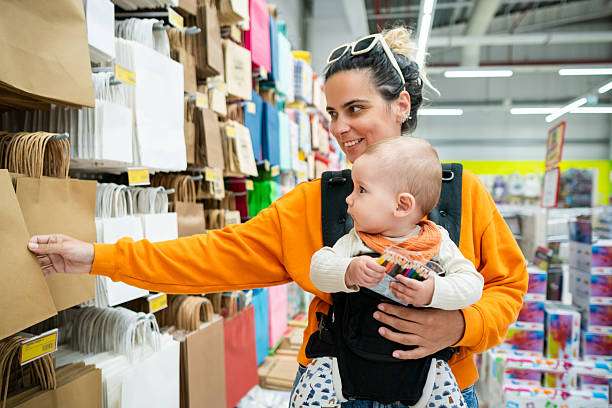
using a baby carrier , parents’ core muscles bear the brunt of the support. Whether holding the baby from the front or carrying them on their back, the abdominal muscles need to continuously contract to stabilize the body’s center of gravity. This load accumulates during prolonged baby carrying, easily leading to lower back pain, abdominal fatigue, and muscle tension. Many parents experience a noticeable heaviness in their lower back after the first week of using a baby carrier . This fatigue not only affects the baby carrying experience but may also extend to other parts of the body during daily activities.
Scientific research shows that core muscle stability is crucial for prolonged weight-bearing activities. Parents can improve core stability by strengthening their abdominal and back muscles, thereby reducing discomfort from carrying a baby. Properly adjusting the tightness of the baby carrier and using the correct posture are also effective ways to reduce stress on the core muscles.
II. Spinal Compression: The Risks of Prolonged Posture Cannot Be Ignored
Baby carriers exert continuous pressure on the spine during use, especially when holding the baby for extended periods, which can easily lead to forward tilting or stiffness in the cervical and thoracic vertebrae. When parents bend over, hunch their backs, or look down at their baby, the load on their necks increases, potentially leading to neck and shoulder pain and poor posture over time. While baby carriers distribute some of the weight, they cannot completely eliminate the potential risks associated with spinal pressure.
To reduce spinal load, parents should maintain a natural standing posture when using a baby carrier, avoiding prolonged periods of looking down or leaning forward, and relieving spinal pressure through regular rest and stretching exercises. Choosing an ergonomically designed baby carrier can effectively distribute weight and reduce the cumulative load on the spine.
3. Neck and shoulder muscle tension: fatigue caused by heavy lifting.
The shoulder and neck area is the part of the baby carrier most prone to tension and fatigue during use. Especially when holding the baby in front or with a high back, the pressure from the shoulder straps and the transmission of weight can easily cause stiffness and muscle soreness in the shoulders and neck. After using the carrier for several hours continuously, parents often experience symptoms such as shoulder soreness, neck stiffness, and even mild headaches. This fatigue directly affects the experience of holding the baby and the quality of daily life.
Methods to relieve neck and shoulder fatigue include adjusting the position of the baby carrier’s shoulder straps, regularly changing how you hold your baby, combining neck and shoulder stretching exercises, and applying heat to relax the muscles. By arranging usage time reasonably and strengthening the neck and shoulder muscles, parents can reduce neck and shoulder tension while holding their baby, achieving a more comfortable parenting experience.
IV. Arm Endurance Consumption: The Hidden Fatigue of Sustained Support
a baby carrier reduces the strain on your arms from directly holding a baby, your arms still bear some responsibility for support and adjustment. When the baby is moving, the parents are moving, or you are performing household chores, your arms need to maintain balance and be slightly contracted. Prolonged use of a baby carrier can lead to a depletion of arm muscle endurance, manifesting as arm soreness, slight tremors, or decreased dexterity.
Parents can reduce arm fatigue by regularly strengthening their arms, using the baby carrier’s support structure properly, and adjusting their arm posture while holding the baby. Additionally, using assistive tools such as a support belt or adjusting the weight distribution of the baby carrier can further alleviate arm strain.
5. Increased pressure on the lower limbs: the load from standing and walking.
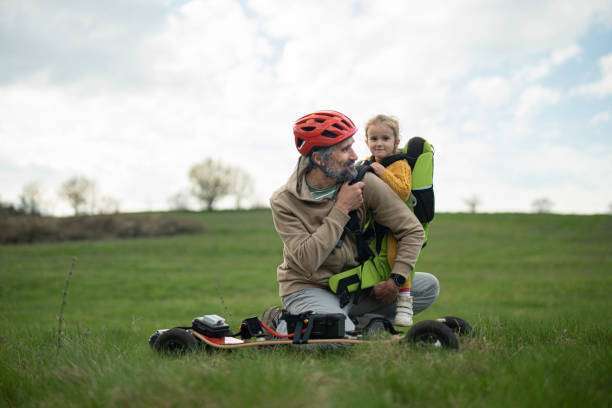
Using a baby carrier not only affects the upper body, but also puts extra pressure on the parents’ lower limbs. When standing or walking for extended periods, the weight on the knees, ankles, and feet increases, especially as the baby’s weight increases, leading to significantly increased fatigue in the lower limbs. Parents may experience leg soreness, knee discomfort, or unsteady gait; this physical strain is particularly noticeable during daily housework and outdoor activities.
Measures to relieve lower limb pressure include choosing shoes with appropriate support, maintaining a balanced gait, taking regular breaks, and elevating the legs to relax. Moderate lower limb strength training can also enhance leg muscle endurance, improving comfort and safety when carrying a baby for extended periods.
VI. Cardiorespiratory Endurance Challenge: A Physiological Test of Sustained Weight-Bearing
Using a baby carrier can also challenge parents’ cardiovascular system. Sustained weight-bearing, walking, and activity increase heart rate, breathing rate, and physical exertion. Especially during extended outings or daily chores, parents may experience shortness of breath, decreased energy, or even mild dizziness. This physiological stress is often overlooked, but it directly impacts the safety of carrying the baby and their quality of life.
Methods to improve cardiorespiratory endurance include regular aerobic exercise, properly scheduling baby-carrying time, and taking breaks in stages. By enhancing overall physical endurance, parents can more easily cope with the physical burden of baby carrier and reduce fatigue.
VII. Accumulated Psychological Fatigue: Hidden Stress from Physical Labor
Physical fatigue is closely related to mental fatigue. During baby carrier use, parents not only maintain physical exertion for extended periods but also need to monitor the baby’s safety, behavior, and surrounding environment, leading to accumulated psychological stress. Persistent fatigue can easily result in decreased attention span, mood swings, and increased anxiety. This psychological burden, combined with physical exertion, leaves parents feeling heartbrokenly exhausted.
Methods to alleviate mental fatigue include scheduling adequate rest, seeking family assistance, sharing childcare responsibilities, and relieving stress through meditation, deep breathing, and psychological adjustment techniques. Parents need to pay attention to their own mental health while caring for their babies to ensure the sustainability of the parenting process.

8. Increased difficulty in coordinating daily household chores: cumulative labor intensity
a baby carrier not only increases physical strain but also alters the way daily household chores are coordinated. Parents need to use multiple body parts and coordinate movements while holding the baby, which further exacerbates physical fatigue. This is especially true when the baby is active or requires frequent soothing, leading to decreased efficiency in housework and a further accumulation of fatigue.
Strategies to address this issue include planning household chores effectively, using convenient tools, and arranging supportive care. For example, assigning heavy lifting tasks to other family members or utilizing the supportive features of a baby carrier to reduce hand strain can effectively reduce daily chores.
IX. Long-term physical adaptation and growth: Developing the potential behind fatigue
Although baby carrier use can cause significant fatigue, consistent use promotes adaptation and muscle strengthening in various parts of the body. Core muscles, shoulders, neck, arms, and lower limbs gradually gain endurance under sustained load, and cardiopulmonary function also improves. After experiencing initial fatigue and discomfort, parents often find improved physical fitness and stamina; this adaptive development provides a potential advantage in parenting.
Parents can transform fatigue into increased physical strength through systematic exercise, scientific rest, and strategic use of the baby carrier . Properly planning usage time and gradually increasing the load allows the body to adapt to the intensity of carrying the baby, while simultaneously improving parenting efficiency and quality of life.
Conclusion: Understanding Physical Labor and the Realities of Child Rearing
Nine truths about the physical strain of using a baby carrier —core muscle load, spinal pressure, neck and shoulder tension, arm endurance depletion, lower limb stress, cardiopulmonary challenge, mental fatigue, difficulty coordinating household chores, and long-term adaptation potential—fully reveal the dual physical and psychological burden parents bear during childcare. Understanding these truths helps parents adopt scientific strategies when using a baby carrier , optimize holding postures, and rationally arrange rest and training to achieve a balance between childcare efficiency and physical health.
Baby carriers are not just convenient tools, but also challenges and exercises for parents’ physical and mental abilities. Through scientific observation, appropriate exercise, and family collaboration, parents can discover their growth potential even when exhausted, transforming the experience of holding a baby into a double benefit of improved physical fitness and parent-child interaction. Understanding and managing the physical labor involved in baby carrier activities makes the parenting process more sustainable, safe, and meaningful.